By Kate Devlin, Medical Correspondent
A Revolutionary new way to transplant bone-repairing stem cells into humans could help millions suffering from crippling arthritis, scientists believe.
Researchers hope the new technique could allow them to speed the recovery of damaged bones and cartilage.
If successful it could be used to help trauma victims as well as the more than two million Britons who suffer from osteoarthritis.
Caused by deterioration of cartilage, severe osteoarthritis can be treated only with surgery to replace hips and knees with artificial joints.
Reprogrammed stem cells work well in laboratories but struggle in the "adverse" conditions of the human body.
Scientists at Edinburgh University plan to use a "bioactive scaffold" to protect the cells when they are placed in a patient.
This new environment, which consists of a rigid mesh structure, coated or impregnated with drugs to aid the cells, allows them to grow at a faster rate, speeding recovery.
The technique will be particularly useful in the treatment of damaged cartilage, which never repairs fully itself, researchers say.
A significant proportion of those who damage their cartilage while young go on to develop arthritis.
Researchers hope to place bone and cartilage building stem cells, complete with their scaffolds, in up to 30 patients within the next two years and to move on to larger trials if these prove successful.
Dr Brendon Noble, of the University of Edinburgh's Centre for Regenerative Medicine, said: "We hope that this will kick start the body's natural healing processes, enabling cells to grow and carry out repair to the damaged area."
Dr Noble's team will work with surgeons to ensure the treatments they develop are suitable for practical use and will look to use reprogrammed cells derived from blood as well as bone marrow.
The £31.4 million project has been funded by the UK Stem Cell foundation, the Medical Research Council and Scottish Enterprise.
Dr Anna Krassowska, research manager for the UK Stem Cell Foundation, said: "In the UK hip fractures kill 14,000 elderly people every year - more than many cancers.
"This research has the potential not only to impact on a significant number of people's lives but to open up one of the largest stem cell markets in the industry."
More than 30,000 knee replacements and 50,000 hip replacement operations are carried out each year in England and Wales.
Original Fond on:http://www.telegraph.co.uk/news/main.jhtml?xml=/news/2008/02/18/nbones118.xmlStem cells have yet to make it into mainstream civilian medicine, but that hasn't stopped the US military betting on them to save its personnel if there's a nuclear explosion or radiological attack.
On 3 January, the Department of Defense awarded a contract to two biotech firms to develop a treatment for radiation sickness based on stem cells extracted from the bone marrow of healthy adult donors. If the treatment, known as Prochymal, wins approval from the Food and Drug Administration, the Pentagon will purchase up to 20,000 doses at a total cost - including funding for development - of $224.7 million.
High doses of radiation kill by damaging the DNA of fast-dividing cells in the gut and bone marrow. If victims survive the diarrhoea, intestinal bleeding and loss of water caused by damage to their gut linings, they may succumb to fatal infections in the following weeks as ...
continune at:http://www.newscientist.com/article/mg19726383.200-us-funds-stemcell-therapy-for-radiation-sickness.html
Japanese researchers have used fat-derived stem cells to reconstruct breasts marred by cancer surgery.
The findings, presented at the San Antonio Breast Cancer Symposium, have not yet been peer-reviewed and should be considered preliminary. However, if the procedure proves safe and effective, it could help breast cancer victims and perhaps replace unreliable implants for women seeking cosmetic enhancement.
Kyushu Central Hospital doctor Keizo Sugimachi used liposuction to take fat from the thighs, lower back and hips of 19 breast cancer survivors from whom doctors had removed tumors and parts of their breasts. Some of the fat was processed with a system developed by Cytori Therapeutics, a San Diego-based regenerative medicine company who sponsored Sugimachi's study.
Cytori's processing system pulled stem cells capable of becoming new breast tissue from the fat; these were combined with the rest of the fat, then injected into the womens' breasts. The treated tissues soon swelled from an average thickness of 6 millimeters to 16 millimeters, shrinking by a couple millimeters over the next six months but remaining thicker than before the procedure.
Current breast enhancement procedures rely purely on fat grafts, which are prone to instability, scarring and collapse, or on implants filled with saline or silicone, which can break or cause disfigurement. Apart from a temporary hardening of the injection site, no side effects were reported in Sugimachi's study. Fifteen of the 19 women were reportedly satisfied with the results.
Cytori will conduct two clinical trials of the procedure in Europe in 2008. As mentioned before, it's too early to get excited, but it's worth mentioning that the latest results expand on earlier promise covered by Wired's now-defunct Bodyhack blog.
The study's location in Japan, birthplace of some of the strangest bodily conceptions (NSFW) yet produced by modern imaginations, also makes me wonder what a world of stem cell-based cosmetic procedures might look like. It's a somewhat disturbing thought, but to each his -- or her -- own.
Articel From:http://blog.wired.com/wiredscience/2007/12/better-breasts.html

Images From:Naturalbuy.com
By MARILYNN MARCHIONE
SAN ANTONIO (AP) — For the first time, doctors have used stem cells from liposuctioned fat to fix breast defects in women who have had cancerous lumps removed.
The approach is still experimental, but holds promise for millions of women left with cratered areas and breasts that look very different from each other after cancer surgery. It also might be a way to augment healthy breasts without using artificial implants.
So far, it has only been tested on about two dozen women in a study in Japan. But doctors in the United States say it has great potential.
"This is a pretty exciting topic right now in plastic surgery," said Dr. Karol Gutowski of the University of Wisconsin-Madison. "There are people all over the country working on this."
The Japanese study was reported Saturday at the San Antonio Breast Cancer Symposium. The company that developed the treatment, San Diego-based Cytori Therapeutics, plans larger studies in Europe and Japan next year.
More than 100,000 women have lumps removed each year in the United States. These operations, lumpectomies, often are done instead of mastectomies, which take the whole breast. But they often leave deformities because as much as a third of a woman's breast may be removed.
"It's almost a euphemism" to call it a lumpectomy, said Dr. Sydney Coleman, a plastic surgeon at New York University who has consulted for Cytori and is interested in the stem cell approach.
The defect "initially may not be as noticeable" but it often gets worse, especially if the woman also has radiation treatment, said Dr. Sameer Patel, a reconstructive surgeon at Fox Chase Cancer Center in Philadelphia.
"There's a growing push to try to involve the plastic surgeon particularly for this reason — to try to avoid a defect," but once one develops, options to repair it are limited, Patel said.
The implants sold today are for reconstructing breasts after mastectomies. They aren't designed to fix odd-shaped deformities from lumpectomies or radiation.
"Each one is so different, there's no little thing you can just pop in there," Gutowski explained.
Doctors can try making the other breast smaller so they match, transplanting a back muscle to boost the flawed breast, or rearranging tissue to more evenly distribute what's left. But these involve surgery and leave scars.
Mini implants of fat tissue have been tried, but they often get resorbed by the body or die and turn hard and lumpy. The recent discovery that fat cells are rich in stem cells — master cells that can replenish themselves and form other tissues in the body — renewed interest in their use.
In the Japanese study, doctors liposuctioned fat from 21 breast cancer patients' tummies, hips or thighs. Half was reserved as the main implant material; the rest was processed to extract stem cells and combined with the reserved fat. This was injected in three places around a breast defect.
Doctors think the stem cells will keep the tissue from dying and form lasting mini implants.
Eight months after treatment, "about 80 percent of the patients are satisfied" with the results, said the lead researcher, Dr. Keizo Sugimachi of Kyushu University in Fukuoka, Japan.
There was a statistically significant improvement in breast tissue thickness at one and six months after treatment.
Doctors with no role in the research say longer study is needed to see if these results last.
The treatment is expected to cost $3,000 to $5,000, said Cytori's president, Dr. Mark Hedrick. The company sees potential for cosmetic breast augmentation of healthy breasts, but for now "our plan is to focus on an unmet medical need" in cancer patients, he said.
The American Society of Plastic Surgeons says doctors must be cautious about using fat cells for cosmetic purposes until more is known. Gutowski heads a task force the society formed to study the science. Coleman is a member.
"It's got great potential not only for breast but other cosmetic and reconstructive purposes," like filling in facial defects from cancer or trauma, Gutowski said. "Imagine the aging face."
Better cosmetic treatments may encourage more women to choose lumpectomies. Some have opted for mastectomies because they are concerned about being left with a defect, especially younger women.
Laurie Rapp, a 48-year-old restaurant manager in Philadelphia, was only 32 when she had a lumpectomy, and now has mismatched breasts.
"One is so much smaller than the other one," she said. "There's quite a bit of puckering, and as I'm getting older I feel it's getting worse."
She probably would not try the stem cell treatment now, but if it had been available when she had her surgery, "I definitely would have, especially because I wasn't even married then," she said.
Thank for AP
Stem Cell Therapy Could Regrow Heart Cells
A new study conducted by University of Florida doctors attempts to treat patients with coronary artery disease by injected stem cells into the heart. The researchers believe that stem cell injections will restore more blood flow to the organ and encourage blood vessel growth, healing the heart.
This experimental treatment is being conducted on volunteers with severe coronary artery disease who have daily chest pains. Volunteers for the study have tried other methods such as medication or surgery procedures to restore blood flow but have not responded. The results of this study could affect almost half a million Americans with severe coronary artery disease.
Coronary artery disease occurs when the heart muscle becomes affected by plaque deposits or clots that prevent blood from reaching the heart. The blockages can initiate small heart attacks that can go undetected but cause damage to the heart that cannot be reversed. Over time, this can cause progressive heart failure or death.
In the study, researchers will use a person's own stem cells to try to improve the flow of blood to the heart. They hope that the treatment will prevent some of the symptoms of severe coronary artery disease, as well as increase the quality of life for the patient. The study will also measure exercise tolerance and heart function before and after treatment.
"The general idea is that by providing these cells of blood vessel origin, we hope to either generate new blood vessels from the growth of these implanted cells or stimulate the heart to regenerate new blood vessels from the cells that reside in it," said study investigator Carl J. Pepine, M.D., chief of cardiovascular medicine at UF's College of Medicine in a press release.
Despite their high hopes for the results of the study, researchers are unsure how this transformation will occur. "It's not completely clear whether it's the actual cell itself that would do this or whether it's just the milieu and the chemical signals that occur from the cells that would result in this," concluded Pepine in a press release.
Another trial is divided into three patient groups, one focusing on patients with heart attacks within the week preceding the treatment, one on people with heart attacks two or three weeks before treatment, and those patients with severe coronary disease that has not responded to any treatment. In those studies, stem cells removed from the bone marrow will be removed and injected into the heart.
"There's a lot of enthusiasm in the cardiovascular community about the potential of cell-based therapies for the treatment of cardiovascular diseases,"
aid Douglas E. Vaughan, M.D., chief of the division of cardiovascular medicine at Vanderbilt University Medical Center in a press release, "and there is increasing experience around the world in using bone marrow-derived stem cells in patients with cardiovascular disease. There is growing confidence this is going to be a safe form of therapy, but there are continuing questions about how effective it will be and what its impact will be in individual patients."
Original Article :http://www.associatedcontent.com/article/404970/stem_cell_therapy_could_regrow_heart.html?page=2

image:www..georgiapainphysicians.com
Megan Ogilvie
Health Reporter
A Toronto-led team of researchers has found a way to use stem cells derived from skin to treat spinal cord injuries in rats.
The finding lends promise to the idea that stem cells could one day be used to heal spinal cord injuries in humans, helping thousands of Canadians to walk again.
Injured rats injected with skin-derived stem cells regained mobility and had better walking co-ordination, according to the study published yesterday in the Journal of Neuroscience. The skin-derived stem cells, injected directly into the injured rats' spinal cords, were able to survive in their new location and set off a flurry of activity, helping to heal the cavity in the cord.
Freda Miller, a senior scientist at The Hospital for Sick Children and lead author of the study, said skin-derived stem cells have some advantages over other stem cell types. Scientists who use skin to generate stem cells do not need to use embryos, for example, and skin-derived stem cells can potentially be harvested from patients themselves, she said.
"You can imagine a scenario for people with spinal cord injuries, that maybe, just maybe, we could take a piece of their skin, grow the cells up and transplant them (the patient) with their own cells," she said. "You wouldn't have to give them immunosuppressive drugs. That's a tremendous clinical advantage if it comes true."
Miller and her colleagues from The Hospital for Sick Children and the University of British Columbia have been exploring the possibilities of using skin to derive stem cells since 2001.
Over the course of their research, the team found that skin-derived stem cells share characteristics with embryonic neural stem cells, which generate the nervous system. They also showed skin-derived stem cells can produce Schwann cells, a cell type that creates a good growth environment to repair injured central nervous system axons – the long nerve cell fibres that conduct electrical impulses between nerves – and that these Schwann cells put down myelin along the injured spinal cord. Like the insulation around an electrical cord, myelin wraps around nerves, creating a sheath that helps quickly conduct nerve impulses.
Miller said the next step was to see whether transplanting the Schwann cells directly into spinal cords would help treat injured rats.
To test their hypothesis, Miller and her team generated stem cells from the skin of rats and mice and forced them to differentiate into Schwann cells, which were then transplanted into the rats. After 12 weeks, the rats were able to walk better, with more co-ordination.
Miller said the cells thrived within the injured spinal cord. Before treatment, the injured rats had a cavity in their spinal cord, a result of their injury. But after treatment, Miller said the Schwann cells had created a bridge that spanned the cavity, and helped nerves grow through the bridge.
The next step is to see whether stem cells derived from human skin can produce similar results.
"We are highly encouraged," said Miller.
An Original artical from :
 Recently, we told you about eight-month-old Jackson Blackford who was born blind because of a rare condition.
He is on his way to China to receive treatment that uses umbilical cord stem cell injections from healthy babies.
Although this isn't a new procedure, many people aren't aware that pregnant mothers even have this option because there aren't many public cord blood registries available.
We have the story of an area girl whose life was saved because of a simple donation that in many cases gets thrown away.
Take one look at nine-year-old Presley Nash in her Tae Kwon Do class, and it's hard to believe she was born with a genetic disorder that usually results in premature death.
It has been five years since she's received a life saving cord blood transplant and all she has now are happy memories.
"I get to see all my teachers and friends and run and play," Nash said.
But her grandmother Martha Houchin will never forget.
"Presley was close to death many times and I bargained and said I will educate the world about cord blood," Houchin assured.
She's an O.B. educator for The Medical Center and said it's so easy and painless to donate your baby's umbilical cord blood.
A public registry will pick it up free of charge or you can save your own through a private registry.
"The cord blood has stem cells and these stem cells can basically reproduce within the body," Houchin said.
Stem cells Presley received created an enzyme her body didn't produce on its own.
So by creating a whole new system, she is now completely free of this disease and doesn't need any medication.
Houchin said cord blood transplants are also being used for other illnesses such as leukemia, Alzheimer's and spinal cord injuries.
"With bone marrow, eight out of eight markers have to match, with cord blood only five have to match," she continued.
For Presley, it's another Tae Kwon Do class.
But for Martha, it's another day to spread the word and save a life.
Houchin said it takes a very small amount of blood from the umbilical cord to generate a whole new system in your body.
Reporter: Fida Georges
The original article can be found at http://www.wbko.com/

Stem Cells help California native
Twelve months ago David Traub fromWoodland Hills, California, was told by his cardiologist that it was doubtful he would survive the trip to Thailand for adult stem cell therapy for his heart failure.
As David sat in the waiting room recently after a scheduled check-up, he was told that the doctor wanted to speak with him. Naturally David was a little alarmed and wondered what could have gone wrong. After all he had a long history of hospitalizations and treatment for his cardiomyopathy and coronary artery disease. He was used to hearing depressing news concerning his deteriorating health, but he continued to be hopeful that he could be helped.
The cardiologist came, “Running in with eyes wide,” in David’s words, and said, “David, all of your test results are normal. Not normal ‘for you’, but normal. Your heart has revascularized itself. It has to be the stem cell treatment because the left side of your heart now has a normal blood flow.”
Formerly this cardiologist was at the best doubtful and the David described him as “mostly negative, a real doubting Thomas” about any possible benefits from adult stem cell therapy. “Not any more,” said David.
David’s therapy consisted of having about half a pint of his own blood removed in Bangkok’s prestigious Bangkok Heart Hospital. This blood was flown to Theravitae’s laboratory where the therapeutic stem cells were isolated and multiplied many times before being injected directly into the heart muscle via a small incision in the chest wall.
Not only did David survive the trip half way around the world but he returned home to find, “The peaks were higher and the valley’s not as deep”. He still has problems due to an enlarged heart from cardiomyopathy but he is happy to wait a while longer knowing that his heart now has a richer blood supply compared with before stem cell treatment, so it is working normally rather than struggling. His partner, family and cardiologist share the excitement of proof that adult stem cell therapy has the ability to improve the blood supply to the heart muscle itself.
Millions of coronary heart disease patients will be able to benefit when cardiologists, like this patient’s, change their tune and give them the realistic and proven effective option of adult stem cell therapy instead of a death sentence.
About TheraVitae:
TheraVitae is a private, multinational company focused on using stem cells from the patient’s own blood in order to treat a variety of disorders, especially cardiovascular diseases. The company has developed a proprietary stem cell technology, ‘VesCell’, that is currently being used by hospitals in Thailand and Singapore to treat patients with heart disease and peripheral artery disease.
VesCell — A Natural Treatment for Heart Disease and Peripheral Arterial Disease (PAD)
The body has natural ways of healing itself and the cardiovascular system is no exception. Angiogenic Cell Precursors (ACPs) originate in bone marrow and then circulate in the blood vessels. To manufacture VesCell, TheraVitae expands a small number of ACPs harvested from about 250cc of blood into a therapeutic quantity. VesCell is injected either through a coronary artery via catheter, or during surgery, directly into the heart muscle.
A key aspect of VesCell therapy is the advanced cell isolation and expansion technique that allows for the ACPs to be harvested from blood collected in a procedure similar to a common blood donation. VesCell uses a patient’s own adult stem cells to treat Heart Disease and PAD and is a viable therapeutic possibility for heart or PAD patients without any other treatment option.
Los Angeles, CA 9/5/2007 7:25 AM GMT (TransWorldNews - Top Story)
mailto:jerry@theravitae.com?subject=Cardiologist changes tune on adult stem cells
http://www.vescell.com/
The original article can be found at http://www.vescell.com/

Report proposes structure for national network of cord blood stem cell banks, USA
0 ความคิดเห็น ที่ 04:26
Blood from umbilical cords -- a byproduct of normal childbirth -- is a good source of hematopoietic progenitor cells (HPCs), the type of stem cells also found in bone marrow that give rise to various kinds of blood cells. Transplants of these stem cells have saved the lives of roughly 20,000 Americans with leukemia, lymphoma, sickle cell anemia, and several other illnesses in recent years, the report notes. But thousands of patients who might benefit from a transplant die every year waiting for a match. Although 22 public banks have been established in the United States to collect, store, and distribute donated cord blood containing these cells, these banks operate without any centralized coordination, noted the committee that wrote the report.
"The lack of centralized organization, universal quality standards, and uniform matching mechanisms makes it more difficult than it has to be for physicians to provide patients with suitable cells in a timely way," said Kristine Gebbie, associate professor of nursing and director of the Center for Health Policy and Doctoral Studies Columbia University, New York City, and chair of the committee that wrote the report. "Moreover, there simply aren't enough units of cord blood available now to meet the needs of the roughly 11,700 Americans who could benefit from a transplant of these cells every year. The structure we are recommending for a national cord blood banking program would assure that patients receive high-quality therapeutic cells in the most timely, ethical, and cost-effective manner possible."
Three-quarters of the patients who require a transplant of HPCs do not have a relative whose cells would be a suitable match and must turn to public bone marrow donor registries or umbilical cord blood banks for donated cells. By increasing the size and quality of the cord blood inventory, nearly 90 percent of all patients who need a transplant should be able to find a suitable match from either cord blood banks or marrow donor registries, the report says.
The new National Cord Blood Policy Board should be established at the level of the office of the DHHS secretary to ensure that it is distanced from the day-to-day concerns of other parts of the department responsible for managing relationships with and funding for bone marrow donor programs and cord blood programs, the committee urged. The board should routinely review the results of cord blood stem cell transplants and guide DHHS and the cord blood banking program on procedures and standards for banking and allocation and on any changes to the inventory of cord blood units.
Decisions about which source of HPCs to tap must be made on a case-by-case basis and driven by the patient's needs, the report notes. To that end, the board should actively encourage collaboration between marrow donor registries and cord blood banks, as well as support cord blood banking's emergence as a transplant option.
Although the National Marrow Donor Program (NMDP) and other organizations have developed several of the components necessary to manage daily coordination of banking and allocation on a large scale, no organization currently has all the necessary capabilities to serve as the Cord Blood Coordinating Center, the committee concluded. HRSA officials should use a competitive process to solicit proposals and identify an organization to take on this function. NMDP and other organizations would have an opportunity to present plans for ensuring that all the necessary elements are in place to link participating transplant centers and cord blood banks; establish standards for cord blood storage and matching; and make sure that data on the results of transplants are available for decision-making and quality assurance. Although the new center would coordinate these various activities, it need not assume all of these functions itself, the report says.
The majority of funding available for the national cord blood bank program should be targeted to expanding the inventories of participating banks. Based on the current estimate that 50,000 useable units of cord blood are now available through public banks and the NMDP, the committee projects a need for at least 100,000 more high-quality units. The larger the inventory, the greater the likelihood that a patient will be matched to a suitable unit and receive an optimal dose of cells, although the costs of collecting and storing cord blood also must be considered. The point at which the costs of banking cord blood exceed the benefits for the patient population is 200,000 units, according to an economic analysis conducted for the study.
Cord blood banks should strive to provide units with a high-enough concentration of stem cells to make up for imperfect matches between donor and recipient -- a frequent occurrence, the report notes. The more closely surface markers on donated cells match those on a patient's own cells, the less likely that the patient's body will reject the transplant. In many cases, a mismatch of one or two degrees is the best that can be found in public banks. Patients for whom an ideal match cannot be located should receive units that contain at least 2.5 x 10⁷ cells per kilogram of body weight, the report says. When perfect matches can be found, cell concentration is less important.
For many racial and ethnic minority patients, it is difficult or impossible to find suitable matches because many cord blood collections are not ethnically and racially diverse. The committee's own survey determined that 62 percent of the current total inventory in the United States came from white donors, 15 percent from Hispanics, 7 percent from African-Americans, 5 percent from Asians, 5 percent from mixed race donors, and 1 percent from American Indians. However, individual cord blood banks have achieved greater diversity through geographically targeted collection efforts and other means, the report notes.
This study was sponsored by the Health Resources and Services Administration. The Institute of Medicine is a private, nonprofit institution that provides health policy advice under a congressional charter granted to the National Academy of Sciences. A committee roster follows.
A pre-publication version of CORD BLOOD: ESTABLISHING A NATIONAL HEMATOPOIETIC STEM CELL BANK PROGRAM is available from the National Academies Press; tel. (202) 334-3313 or 1-800-624-6242 or on the Internet at HTTP://WWW.NAP.EDU. Reporters may obtain a pre-publication copy from the Office of News and Public Information (contacts listed above).

Embryonic stem cells treated with growth factor reverse hemophilia in mice
Mouse embryonic stem cells treated in culture with a growth factor and then injected into the liver reverse a form of hemophilia in mice analogous to hemophilia B in humans, the new study shows. A report of the study appears in the journal Proceedings of the National Academy of Sciences today (Feb. 15).
The genetically altered mice lack the clotting substance factor IX, which in humans results in the hereditary bleeding disorder known as hemophilia B. This disease, much less common than hemophilia A, affects roughly one of every 35,000 people, primarily males.
Although embryonic stem, or ES, cells can differentiate into most cell types in the body, numerous problems have arisen in translating their potential into therapeutic strategies, the UNC School of Medicine study authors reported.
These problems include poor engraftment, limited function, rejection of engrafted cells by the immune system and teratomas, tumors involving a mixture of tissue not normally found at that site.
The new study used a line of mouse ES cells developed in the laboratory of senior co-author Dr. Oliver Smithies, Excellence professor of pathology and laboratory medicine at UNC.
A member of the National Academy of Sciences, Smithies has won many honors for gene targeting, a technique he pioneered. This technique allows for the development of mice with specific genetic mutations that mimic human illnesses such as hemophilia. In 2001, Smithies received the Albert Lasker Award for Basic Medical Research, often called "America's Nobel."
In the study, ES cells were treated with fibroblast growth factor for seven days prior to injection. As expected, this resulted in ES cells differentiating into early endoderm like precursors, which the researchers named "putative endoderm precursors," or PEPs. Endoderm refers to the inner layer of early embryonic cells that develops into the digestive and respiratory systems.
"Not only do ES cells differentiate into PEPs, they also engraft, persist, differentiate further and then function following injection, resulting in the persistent production of factor IX protein that can only come from a hepatocyte (liver cell) and hemophilia reversal," said study lead author Dr. Jeffrey H. Fair, associate professor of surgery and division chief of abdominal transplant surgery.
Moreover, he said, the PEP cells robustly engraft within the liver and were not recognized by the immune system as foreign.
"Within a few weeks, PEPs became hepatocytes," Fair added. "They went from something that is a very early grandparent of the hepatocyte to becoming hepatocytes. After 115 days, nearly four months after injection, mice still produced factor IX without immune suppression. This occurred even in mice that were a complete immunologic tissue mismatch to the PEPs. In addition, the incidence of teratomas was low."
The researchers believe this study demonstrates the power of multidisciplinary collaboration, said co-lead author Dr. Bruce A. Cairns, assistant professor of surgery and director of research in the N.C. Jaycee Burn Center. "This approach may not only be beneficial, but required in order to solve complex problems such as these in medicine."
Although a number of questions need to be answered, this work has great potential for future applications, not only as a novel therapeutic possibility for hemophilia but also for other genetic or acquired diseases of the liver, said senior co-author Dr. Jeffery A. Frelinger, Kenan professor and chairman of microbiology and immunology.
"The data published in this study shows that embryonic stem cells partially differentiated, are able to remain in the liver and be functional without apparent immunological rejection. This transforms them into possible candidates for cellular transplantation into the liver."
Along with Fair, Cairns, Smithies and Frelinger, co-authors from the department of surgery are Dr. Michael A. LaPaglia, Dr. Montserrat Caballero, Dr. Anthony A. Meyer (chairman) and W. Andrew Pleasant. From the department of pathology and laboratory medicine are Drs. Seigo Hatada and Hyung-suk Kim. From the College of Arts and Sciences' department of biology are Drs. Tong Gui and Darrel W. Stafford; and from the department of genetics, Dr. Larysa Pevny.
The research was supported by grants from the National Institutes of Health and the N.C. Jaycee Burn Center.
American Association for the Advancement of Science
The embargo on this press release has been lifted ahead of schedule.
SEATTLE, WA--New research - published by Science Magazine within the Science Express Web site and released today at the 2004 AAAS Annual Meeting -- may be a first step toward methods for treating diabetes, osteoarthritis, Parkinson's and other diseases, by producing replacement cells unlikely to trigger immune-system rejection.
Transplantation medicine based on stem cells remains a distant hope for now, Science editors cautioned. But, the Science study describes intriguing early results:
For the first time, researchers have reported the development of versatile 'pluripotent' human embryonic stem cells, potentially capable of becoming any cell in the body, from a cloned human blastocyst.
The stem cells were harvested from a blastocyst produced by transferring the nucleus of a non-reproductive ('somatic') cell, containing a woman's genetic blueprint, into a nucleus-free egg from the same donor.
Following this transfer, factors within the host egg's exterior, or cytoplasm, reprogrammed its new nuclear contents by activating versatile embryonic genes, while silencing the more limited adult somatic cell genes. Researchers were then able to collect embryonic stem cells from the resulting cell mass inside the cloned blastocysts.
In theory: 'Because these cells carry the nuclear genome of the individual, after differentiation they could be expected to be transplanted without immune rejection for treatment of degenerative disorders,' reported Woo Suk Hwang of Seoul National University in Korea.
'Our approach opens the door for the use of these specially developed cells in transplantation medicine.'
Embryonic stem cells have previously been produced with cells from mice using the same method, called 'somatic cell nuclear transfer.' But, achieving this trick with human cells posed unique challenges, said Donald Kennedy, Science's Editor-in-Chief.
The researchers attribute their apparent success to the use of extremely fresh donor eggs, stringent timing protocols, and a special method for gently extruding rather than suctioning the DNA-spindle complex from eggs. Suctioning the DNA may damage spindles, possibly causing chromosomal defects called aneuploidy, they noted.
Hwang and colleagues developed the stem cell line, SCNT-hES-1, after collecting 242 eggs from 16 unpaid volunteers who had signed informed-consent agreements. From these eggs, scientists then cultured 30 blastocysts to obtain 20 suitable inner cell masses. By tweaking the amount of time that elapsed between the transfer of the nucleus and the activation of the newly transplanted genetic material, the team was able to optimize their results:
A two-hour delay seemed to work best, so that 20 percent of all reconstructed eggs formed blastocysts. From the inner cell mass of these blastocysts, a single human embryonic stem cell line was obtained.
The resulting stem cells differentiated into all three of the main tissue types that appear at the beginning stages of development, researchers reported. When transplanted into mice, the stem cells differentiated into still more specific cell types, offering further proof of pluripotency.
Interestingly, the research team harvested eggs as well as somatic cells from the same donors: Nuclear material from the somatic cell was transferred into the nucleus-free or enucleated egg of the same woman.
This unusual experimental design may be more effective than person-to-person transfers because it offered greater compatibility between the genetic components that were fused together.
But, were the stem cells truly derived from the transferred nucleus, or were they the result of an accidental 'parthenote'--an artificially induced blastocyst resulting from an egg that began to spontaneously divide?
To support their claim that the resulting stem cells came from the transplanted nucleus, Hwang's team completed DNA fingerprinting analysis, and also checked the expression of imprinted genes.
The results were consistent with stem cells resulting from transplantation.
Many questions remain, Science's Donald Kennedy said: 'The potential for embryonic stem cells is enormous, but researchers still must overcome significant scientific hurdles,' Kennedy remarked.
'These results seem promising. But, it's important to remember that cell and tissue transplantation and gene therapy are still emerging technologies, and it may be years yet before embryonic stem cells can be used in transplantation medicine.'
The research also raises policy and ethical questions, Kennedy noted, since blastocyst-derived stem cells for tissue repair or transplantation might exacerbate pressures on egg donors in some regions.
The prospect of using cloned human blastocysts to produce new embryonic stem cells lines also is likely to provoke further controversy, he added. 'There is widespread consensus among all responsible, mainstream scientists--including the authors of this paper and AAAS, publisher of Science Magazine--that any attempt to clone a human being would be highly dangerous and wrong, and therefore, all reproductive cloning should be banned,' Kennedy said.
'But, the generation of stem cells by somatic cell nuclear transfer methods involving the same individuals may hold promise for advances in transplantation technology that could help people affected by many devastating conditions.'
In addition to Hwang, authors on this Science paper were Young June Ryu, Eul Soon Park, Eu Gene Lee, Hyun Yong Chun, Byeong Chun Lee, Sung Keun Kang, Curie Ahn and Shin Yong Moon, all of Seoul National University; as well as Jong Hyuk Park and Sun Jong Kim of Mizmedi Hospital in Seoul; Ja Min Koo of Gachon Medical School; Jung Hye Hwang of Hanyang University; Ky Young Park of Sunchon National University; and Jose B. Cibelli of Michigan State University.
The American Association for the Advancement of Science (AAAS) is the world's largest general scientific society, and publisher of the journal, Science (www.sciencemag.org). AAAS was founded in 1848, and reports some 265 affiliated societies and academies of science, serving 10 million individuals. Science has the largest paid circulation of any peer-reviewed general science journal in the world, with an estimated total readership of one million. The non-profit AAAS (www.aaas.org) is open to all and fulfills its mission to 'advance science and serve society' through initiatives in science policy; international programs; science education; and more. For the latest research news, log onto EurekAlert!, www.eurekalert.org, the premier science-news Web site, a service of AAAS.
MEDIA NOTE: A newsbriefing on this research will take place at 11:00 a.m. Pacific Time, Thursday, 12 February, during the AAAS Annual Meeting in Seattle, in the Eliza Amphitheater, Grand Hyatt. Further, these and other speakers will take part in a symposium titled, 'Stem Cell Science in the Service of Society,' at 2:30 p.m. Monday, 16 February, Sheraton Hotel, Second Floor, Grand Ballroom C. Press registration is in the AAAS Press Center in Leonesa I of the Grand Hyatt Hotel.
AAAS is the world's largest general scientific society, dedicated to 'Advancing science � Serving society.'
Contact: Ginger Pinholster
gpinhols@aaas.org
206-774-6330

Stem cell research has been given a boost after a new study shows a link between the controversial technique and couples undergoing IVF treatment.
The survey found that 57% of IVF couples would consent to their surplus embryos being used for stem cell research - because they receive better information on the issue.
Medical experts say the number of couples handing over surplus embryos depends upon the quality of information about the needs and benefits of stem cell research given.
Stem cell research has been the target of huge criticism from pro-life campaigners and religious communities who believe embryos are already a human life and should be treated as such.
Professor Alison Murdoch, chairman of the British Fertility Society said: 'Our results are encouraging as they show that couples undergoing IVF understand the need and benefits of embryo research, probably because they have access to good information that the majority of the population do not.
'When people understand this issue they tend to look on it favourably.
'Scientists should not be afraid of engaging the public on this issue.'
Clare Brown, chief executive of Infertility Network UK, added: 'The results of this study highlight the fact that couples are keen to assist others while going through what is an extremely difficult, both physically and emotionally, treatment for themselves personally.
'The key word for couples is obviously `information'.'
Meanwhile, new research shows that sperm counts have dropped by almost a third in a decade.
Drug use, alcohol, smoking and obesity are among the factors most frequently blamed.
Each attempt at IVF treatment costs about �3,000 and the NHS funds only one in five of these attempts.
It is expected that a new recommendation will entitle thousands of women aged between 23 and 39 to free IVF treatment.

A group of researchers from The Scripps Research Institute (USA) has identified a small synthetic molecule that can induce a cell to undergo dedifferentiation--to move backwards developmentally from its current state to form its own precursor cell.
This compound, named reversine, causes cells which are normally programmed to form muscles to undergo reverse differentiation--retreat along their differentiation pathway and turn into precursor cells.
These precursor cells are multipotent; that is, they have the potential to become different cell types. Thus, reversine represents a potentially useful tool for generating unlimited supply of such precursors, which subsequently can be converted to other cell types, such as bone or cartilage.
'This [type of approach] has the potential to make stem cell research more practical,' says Sheng Ding, Ph.D. 'This will allow you to derive stem-like cells from your own mature cells, avoiding the technical and ethical issues associated with embryonic stem cells.'
Ding, who is an assistant professor in the chemistry department at Scripps Research conducted the study--to be published in an upcoming issue of the Journal of the American Chemical Society--with Peter G. Schultz, Ph.D., who is a professor of chemistry and Scripps Family Chair of Scripps Research's Skaggs Institute of Chemical Biology, and their colleagues.
Regenerative Medicine and Stem Cell Therapy
Stem cells have huge potential in medicine because they have the ability to differentiate into many different cell types--potentially providing doctors with the ability to produce cells that have been permanently lost by a patient.
For instance, the damage of neurodegenerative diseases like Parkinson's, in which dopaminergic neurons in the brain are lost, may be ameliorated by regenerating neurons.
Another example of a potential medical application is Type 1 diabetes, an autoimmune condition in which pancreatic islet cells are destroyed by the body's immune system. Because stem cells have the power to differentiate into islet cells, stem cell therapy could potentially cure this chronic condition.
However bright this promise, many barriers must be overcome before stem cells can be used in medicine. Stem cell therapy would be most effective if you could use your own stem cells, since using one's own cells would avoid potential complications from immune rejection of foreign cells.
However, in general it has proven very difficult to isolate and propagate stem cells from adults. Embryonic stem cells (ESCs) offer an alternative, but face both practical and ethical hurdles associated with the source of cells as well as methods for controlling the differentiation of ESCs.
A third approach is to use one's own specialized cells and dedifferentiate them.
Normally, cells develop along a pathway of increasing specialization. Muscles, for instance, develop after embryonic stem cells develop into 'mesenchymal' progenitor cells, which then develop into 'myogenic' cells. These muscle cells fuse and form the fibrous bundles we know as muscles.
In humans and other mammals, these developmental events are irreversible, and in this sense, cell development resembles a family tree. One wouldn't expect a muscle cell to develop into a progenitor cell any more than one would expect a woman to give birth to her own mother.
However, such phenomena do happen in nature from time to time.
Some amphibians have the ability to regenerate body parts that are severed by using dedifferentiation.
When the unlucky amphibian loses a limb or its tail, the cells at the site of the wound will undergo dedifferentiation and form progenitor cells, which will then multiply and redifferentiate into specialized cells as they form an identical replacement to the missing limb or tail.
In humans, the liver is unique in its regenerative capacity, possibly also involving dedifferentiation mechanism.
The Scripps Research scientists hope to find ways of mimicking this natural regeneration by finding chemicals that will allow them to develop efficient dedifferentiation processes whereby healthy, abundant, and easily accessible adult cells could be used to generate stem-like precursor cells, from which they could make different types of functional cells for repair of damaged tissues.
Reversine is one of the first steps in this process.
However, tissue regeneration is years away at best, and at the moment, Schultz and Ding are still working on understanding the exact biochemical mechanism whereby reversine causes the muscle cells to dedifferentiate into their progenitors, as well as attempting to improve the efficiency of the process.
'This [type of research] may ultimately facilitate development of small molecule therapeutics for stimulating the body's own regeneration,' says Ding. 'They are the future regenerative medicine.'
The article, 'Dedifferentiation of Lineage-Committed Cells by a Small Molecule' is authored by Shuibing Chen, Qisheng Zhang, Xu Wu, Peter G. Schultz, and Sheng Ding and is available to online subscribers of the Journal of the American Chemical Society at: http://pubs.acs.org/cgi-bin/asap.cgi/jacsat/asap/html/ja037390k.html. The article will also be published in an upcoming issue of JACS.
This work was supported by The Skaggs Institute for Research and the Novartis Research Foundation.

Studies in zebrafish lead to better understanding of blood formation and leukemia development
Boston--Researchers at Children's Hospital Boston have isolated a gene responsible for making blood stem cells. The findings appear in today's issue of the journal Nature. The gene, called cdx4, is responsible for establishing the location of blood cell formation in the developing embryo.
Cdx4 works by altering the expression of HOX genes, which are involved in making the body plan. Surprisingly, the authors found that overexpression of cdx4 in zebrafish embryos, or in mouse embryonic stem cells, induces the new production of early blood cells.
'We have been searching for genes in the zebrafish that participate in making blood stem cells,' according to lead author, Leonard Zon, MD., of Children's Hospital Boston.
'Now that we have these genes, we are one step closer to growing more blood stem cells. This will be potentially useful for patients with severe congenital anemias or bone marrow transplantation for cancer,' adds Zon.
Scientists studied a mutant that had a severe anemia because it had few blood stem cells, and also had a tail defect. The zebrafish mutants generally die within seven to ten days after fertilization.
They discovered the mutation in the cdx4 gene, which is associated with the early blood deficiency as well as abnormal developmental patterning, including aberrant hox gene expression.
When researchers injected the mutants with hox genes, such as hoxb7a and hoxa9a, it resulted in almost complete rescue of the deficient blood cells. Another hox gene, hoxb6b showed some improvement, but hoxb8a did not have any effect on the blood defect.
Researchers believe this shows blood cell development is dependent on the proper expression of these hox genes, and that overexpression of these genes can reverse a fatal deficiency in these blood cells.
'These zebrafish findings will allow us to better understand normal blood development, with the hopes of eventually developing more effective treatments for these devastating blood disorders such as leukemia,' says Zon.
Children's Hospital Boston is home to the world's largest research enterprise based at a pediatric medical center, where its discoveries have benefited both children and adults for over 100 years. More than 500 scientists, including seven members of the National Academy of Sciences, nine members of the Institute of Medicine and nine members of the Howard Hughes Medical Institute comprise Children's research community. Founded in 1869 as a 20-bed hospital for children, Children's Hospital Boston today is a 300-bed comprehensive center for pediatric and adolescent health care grounded in the values of excellence in patient care and sensitivity to the complex needs and diversity of children and families. It is also the primary pediatric teaching affiliate of Harvard Medical School. For more information about the hospital visit: www.childrenshospital.org.
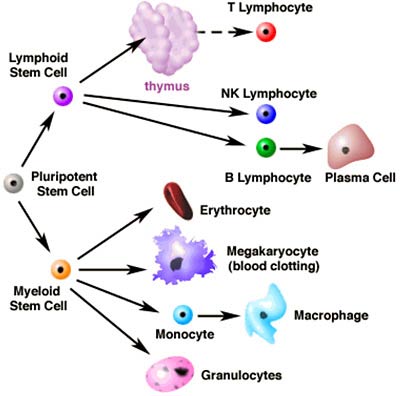
Study adds to evidence of adult stem cells' promising therapeutic role
BURLINGTON, VT (USA) - For the first time, researchers have demonstrated that adult human stem cell transplantation results in spontaneous cell regeneration in damaged lung tissue.
Published in the August 1 issue of the American Journal of Respiratory and Critical Care Medicine, the study further supports an existing body of research that suggests blood- and marrow-derived stem cells have the capacity to become many different human tissues.
'Many of the body's tissues once thought to be only locally regenerative may, in fact, be actively replaced by circulating stem cells after hematopoietic or blood-forming stem cell transplantation,' says lead author Benjamin Suratt, M.D., assistant professor of medicine and Vermont Lung Center researcher at the University of Vermont College of Medicine.
'This finding is of note not only for its novelty as a regenerative mechanism of the lung, but also for its vast therapeutic implications for any number of lung diseases.'
According to Suratt, the study's findings indicate that circulating stem cells are going into organ tissue and repairing damage, which could have a huge impact on the treatment of such devastating lung diseases as emphysema or cystic fibrosis.
Supported by funding from the National Institutes of Health and a National Center for Research Resources Centers for Biomedical Research Excellence grant, Suratt and his colleagues are currently looking further into what types of cells have the capacity to differentiate and generate a different type of cell, and whether these cells might be used to treat cystic fibrosis.
For more information on research taking place at the Vermont Lung Center at the University of Vermont, go to www.vermontlung.org
To link to the article abstract, go to:
ajrccm.atsjournals.org/cgi/content/abstract/168/3/318

The body's master cells can repair the damage caused by a heart attack, a study suggests.
Tests on rats have shown that stem cells can restore up to 90% of the heart's ability to pump blood around the body, which is often reduced following an attack.
Stem cells, which can be obtained from bone marrow, are unique in that they have the potential to turn into any other cell in the body.
Doctors have injected these cells into a small number of patients with heart disease. However, the results of these trials are not yet known.
This latest study adds to the growing body of evidence that stem cells could provide real hope to patients with heart problems.
Difficult procedure
Up until now, the technique has proved problematic because the stem cells tended to die shortly after being transplanted.
This has meant that the stem cells have not been able to turn into new muscle, replacing tissue that has died as a result of a heart attack.
Dr Victor Dzau and colleagues at Brigham & Women's Hospital in Boston, United States, have tried to get around this problem by engineering these cells to enable them to survive longer.
They added the Akt gene to cells in the laboratory. Akt is a protein that prevents cell death.
These engineered cells were then injected into the hearts of rats, which had had a heart attack.
Tests showed that cells with this gene were much more likely to survive compared to other stem cells.
The treatment restored between 80% and 90% of the heart's volume.
Writing in the journal Nature Medicine, they said it also dramatically improved the heart's ability to pump blood around the body.
'Stem cells genetically enhanced with Akt can repair infracted myocardium, prevent remodelling and nearly normalize cardiac performance,' they said.
Doctors elsewhere in the US announced in April that they had carried out stem cell transplants on 15 patients with advanced heart disease.
One of these patients died 14 weeks later. Doctors at the Texas Heart Institute have yet to reveal how the other patients have fared.
They are also considering carrying out much larger trials. If successful, they could pave the way for stem cell transplants for other patients with heart disease around the world.


The European Commission has said the EU should fund research which involves harvesting stem cells from frozen human embryos - but not in countries where the technique is banned.
However those countries may still oppose the introduction of the new rules on moral grounds.
Sweden, Finland, Greece, the Netherlands and Britain allow stem cells to be harvested from 'spare' IVF embryos.
But taking stem cells from embryos is illegal in countries such as Germany, France, Ireland and Spain and blocked elsewhere.
The European Commission hopes the rules can be introduced by 31 December this year when a moratorium on EU funding for stem cell research ends.
But all member states must approve the rules before they can be introduced.
Laboratory sources
Supporters of stem cell research say it could hold the key to cures for a wide range of serious diseases, including Alzheimer's and Parkinson's.
Stem cells are cells at an early stage of development which have the potential to turn into many different types of tissue.
But critics say existing sources of stem cells - so-called 'lines' which can be grown in laboratories, can supply enough for research and would eradicate the need for embryos to be used in research.
In Germany, the law states research on stem cells is only allowed if they were imported and existed before 1 January 2002.
It is understood Germany wants the EU to introduce similar rules.
The European Commission has set a cut-off date of 27 June 2002 for when embryos must have been created - but it does not set a date for when stem cells should have been created by.
Foresight
EU Research Commissioner Philippe Busquin said the main aim was to stop a 'brain drain' of the brightest scientists leaving Europe to work in countries like the US, Australia and Singapore.
He said: 'Europe is in relatively weak position.
'Obviously there are ethical concerns. But the real question is 'Are we able to have excellence in this field in Europe?'.'
He said countries could continue to choose whether they funded embryonic stem cell research themselves, but that the EU felt it was important to encourage as much research as possible.
Sir George Radda, chief executive of the Medical Research Council, said: 'The decision to set a cut-off date for which embryos can be used is limiting and may mean fewer high-quality embryos available for research, but we recognise compromise was needed given the disparate views of member states.
'Overall we're pleased that the Commission has recognised the importance of granting funding to allow researchers to generate stem cells using freely donated embryos left over from IVF research.
'The MRC sees stem cell research as a key research priority over the coming decades and the UK government has had the foresight to put in place legislation that will enable ethical and beneficial research into heath and human disease to be carried out.
'It's good to see this being echoed in EC policy, as we are on the brink of real medical progress.'
A spokesman for the Parkinson's Disease Society said: 'The use of stem cell research offers real hope that lost dopamine-producing cells can be replaced with new healthy cells.
'This could be the first treatment to reverse the symptoms of Parkinson's and could therefore effectively lead to a cure.

Embryonic stem cells (ESCs) have huge potential use for scientists because they have the ability to turn into many different forms of tissue. However, their use remains highly controversial.
Britain has allowed scientists to conduct embryonic stem cell experiments, but they could soon be banned by the European Union, and the US is still considering the issue.
New Scientist magazine reports that the US team harvested cells from human embryos at an early stage of development.
They then manipulated them in the laboratory to turn them into specialised cells that form myelin, the insulating layer than surrounds nerve fibres.
These cells were transplanted into paralysed rats with bruised spines.
After nine weeks, the rats fully regained the ability to walk.
Analysis of the rats' spinal cords showed that the cells had wrapped themselves around nerve cells and formed new myelin sheaths.
They also secreted substances that appeared to have stimulated the formation of new nerves.
Recent injuries
Dr Hans Keirstead and his team from the University of California at Irvine now plan to use the same technique to treat human patients who have sustained recent spinal cord injuries.
However, treating people who have been paralysed for years or suffer from degenerative nerve diseases will be far more difficult.
Scientists have tried using adult stem cells derived from bone marrow and nerve cells repair damaged spines.
But Thomas Okarma, of US biotech company Geron Corporation which funded the new research, believes only ESCs stand a real chance of success.
They are more versatile than adult stem cells, and, unlike them, can be mass-produced.
Mr Okarma said: 'At this moment, there is very little hard evidence that a bone marrow stem cell can turn into anything but blood or that a skin stem cell can become anything but skin.
Royal Society Response To Joint Committee Report On Draft Human Tissues And Embryos Bill, UK
0 ความคิดเห็น ที่ 04:39
"We hope that the new legislation permits the creation of all types of human-animal embryos for research, under the control of the relevant regulatory authority. It is crucial that regulators are allowed to do the job they were created to undertake. Clarifying the remits of such authorities will streamline the licensing process which is essential for fast moving scientific fields such as stem cell research."
The Royal Society is an independent academy promoting the natural and applied sciences. Founded in 1660, the Society has three roles, as the UK academy of science, as a learned Society, and as a funding agency. It responds to individual demand with selection by merit, not by field. As we prepare for our 350th anniversary in 2010, we are working to achieve five strategic priorities, to:
-- Invest in future scientific leaders and in innovation
-- Influence policymaking with the best scientific advice
-- Invigorate science and mathematics education
-- Increase access to the best science internationally
-- Inspire an interest in the joy, wonder and excitement of scientific discovery
http://www.royalsoc.ac.uk
PATIENT EXPERIENCE – ATAXIA
George's Blog: http://www.georgearruda.blogspot.com/
NAME: George ArrudaGeorge Arruda
COUNTRY: Canada
AGE: 33
DIAGNOSIS: Sporadic Spinocerebellar Ataxia 3, Machado-Joseph Disease (MJD) (May 2004)
REASON FOR COMING FOR TREATMENT: George was diagnosed with SCA type 3 - Machado-Joseph Disease (MJD) in January of 2002. His father and grandfather also had SCA3. He had a fairly fast progression since the onset of the disease. He had heard about Kim Poor having success with the treatment and decided he wanted to try the treatment as well.
TREATMENT: Umbilical Cord Stem Cell and Nerve Growth Factor Injections with Rehabilitation Therapy
START OF THE TREATMENT: January 1, 2007
BEFORE THE TREATMENT: He had severe loss of balance and coordination, double vision, dizziness, and choking problems. He felt pain and weakness in his legs as well as lack of feeling parts of in his legs. He had eye spasms.
AFTER THE TREATMENT: He regained feeling in his legs. He had less dizziness or “buzz” in his head. His balance and walking improved considerably. He could speak faster.
Jan 3rd (Before): Parallel Walking, Rollator Walking, Walking with Help, Throwing Ball
Jan 10th (One Injection): Parallel Walking 1, Parallel Walking 2, Arms Out Walking
Jan 19th (Three Injections): Walking
Jan 23rd: (Four Injections): Walking Slope
Jan 29th: (Five Injections): Walking Arms Out Narrow
Jan 30th: (Five Injections): Walking Stairs
Jan 31st: (Five Injections): Walking Arms Out Slope, Throwing Ball, Walking Narrow, Walking, Summary, About Staff and Hospital
Update (Feb 18 - from an Email):
George is doing well. The walker is gathering dust as it just sits unused since our return. George is feeling stronger, and has not been sick, despite the fact that I came down with a nasty two week long cold. He managed to avoid it. He is able to get up and get going earlier in the morning, and his speech has been clearer and people have commented on how much easier he is to understand. He is not choking on his meals as often. He is exercising a little bit, but we still need to figure out some kind of a routine. For now he is doing a little bit on the treadmill each day and walking short distances.

